Understanding Inflammation During Menopause
Hormonal shifts during menopause often trigger or intensify inflammation throughout the body. This manifests as:
- Joint and muscle pain
- Skin inflammation and sensitivity
- Digestive discomfort
- Brain fog
- Hot flashes and night sweats
Rather than suppressing symptoms with pharmaceuticals alone, plant allies offer gentle, comprehensive anti-inflammatory support that works with your body’s intelligence.
The Most Powerful Anti-Inflammatory Herbs
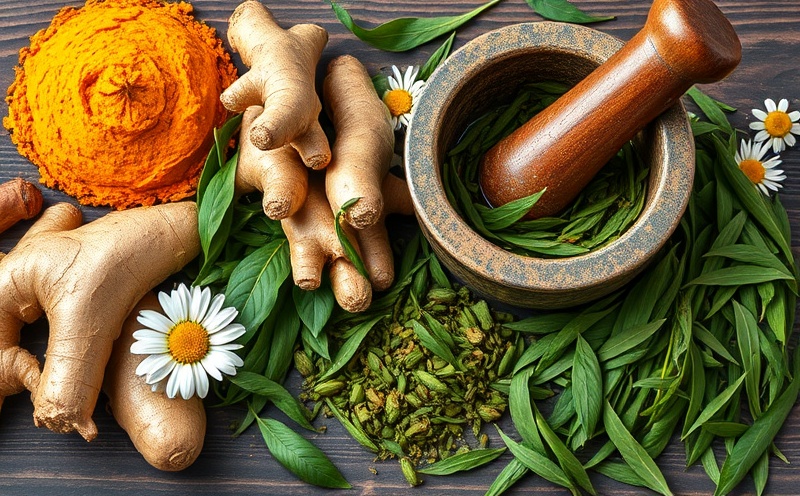
Turmeric (Curcuma longa)
Perhaps the most researched anti-inflammatory herb, turmeric’s active compound curcumin reduces inflammation at the cellular level.
Key compounds: Curcumins, volatile oils
Best for: Joint pain, digestive inflammation, skin conditions, hormonal balance
How to use:
- Golden milk lattes with black pepper (enhances absorption)
- Herbal infusions blended with other herbs
- Add to soups and curries for daily integration
- Supplement form for concentrated support
Dosage: 1-2 teaspoons powder daily mixed with fat for absorption
Ginger (Zingiber officinale)
This warming root contains gingerols and shogaols—compounds that powerfully reduce inflammatory markers.
Key compounds: Gingerols, shogaols, volatile oils
Best for: Joint pain, nausea, digestive inflammation, circulation
How to use:
- Fresh ginger tea or infusions
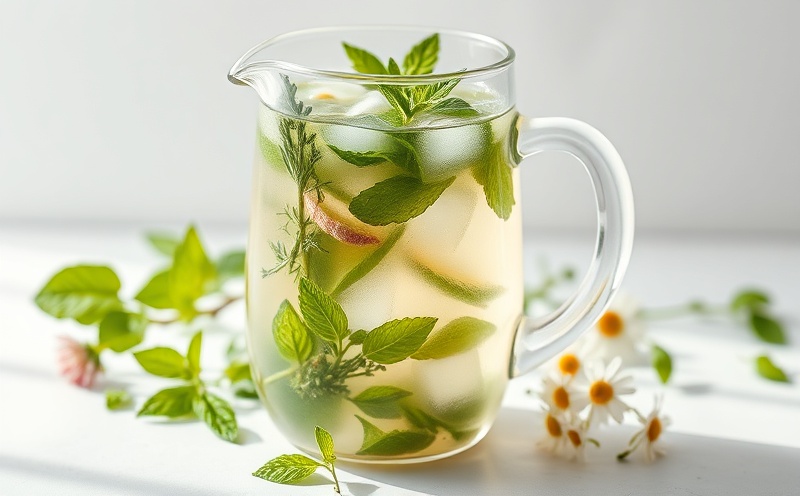
- Cold infusions for refreshing summer support
- Grated fresh into meals
- Decoctions for deep extraction
Dosage: 1-2 teaspoons fresh per day or 500-1000mg dried
Curcuma (Turmeric’s Cousin)
Lesser known but equally powerful, curcuma root offers anti-inflammatory benefits similar to turmeric.
Key compounds: Similar curcuminoids to turmeric
Best for: Those seeking turmeric alternatives, supporting joint health
Green Tea (Camellia sinensis)
Rich in EGCG catechins, green tea provides gentle daily anti-inflammatory support.
Key compounds: Catechins, EGCG, L-theanine
Best for: Cellular protection, skin clarity, gentle sustained support
How to use:
- Daily tea practice, 2-3 cups
- Cold infusions for summer hydration
- Blended into wellness tonics
Chamomile (Matricaria chamomilla)
Gentler than many herbs but with significant anti-inflammatory and nervine properties, chamomile supports both body and spirit.
Key compounds: Bisabolol, azulene, apigenin
Best for: Skin inflammation, digestive soothing, nervous system, sleep
How to use:
- Traditional tea, hot or cold
- Infusions for deep extraction
- Topical as a compress for inflamed skin
Lavender (Lavandula angustifolia)
Not just for relaxation—lavender contains powerful compounds that reduce inflammation and support healing.
Key compounds: Linalool, linalyl acetate, camphor
Best for: Skin inflammation, nervous system support, stress-related inflammation
How to use:
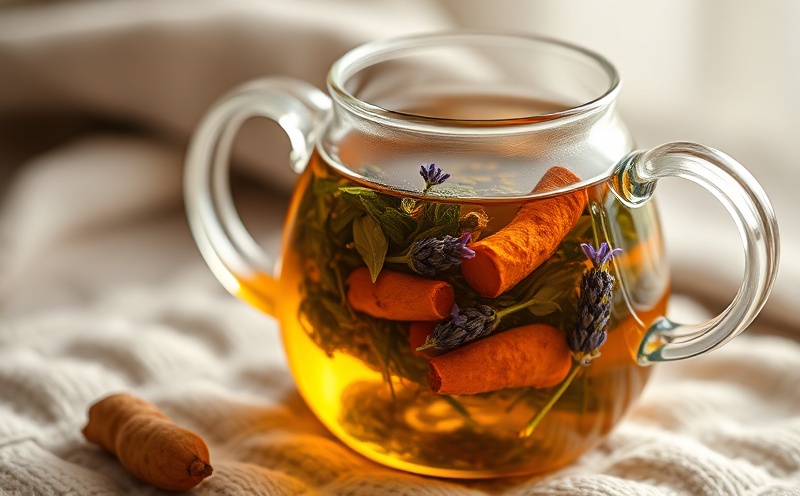
- Tea and infusions
- Herbal blends
- Essential oil diluted in carrier oil
- Bath soaks for systemic support
Licorice Root (Glycyrrhiza glabra)
This sweet root supports the adrenal glands while reducing inflammation, particularly helpful during hormonal transitions.
Key compounds: Glycyrrhizin, flavonoids
Best for: Hormonal balance, adrenal support, gut healing, skin clarity
How to use:
- Decoctions (simmer 10-15 minutes)
- Herbal blends
- Tinctures for concentrated support
Caution: Licorice can raise blood pressure if used long-term; cycle use or consult practitioner
Neem (Azadirachta indica)
This traditional Ayurvedic herb is remarkably anti-inflammatory, particularly for skin conditions and internal inflammation.
Key compounds: Azadirachtin, nimbin, nimbidol
Best for: Skin inflammation and acne, blood purification, immune support
How to use:
- Herbal infusions (can be bitter—blend with pleasant herbs)
- Supplements
- Topical oils for skin
- Tablets or tinctures
Calendula (Calendula officinalis)
Gentle yet powerful, calendula flowers support inflammation reduction while promoting skin healing.
Key compounds: Flavonoids, polysaccharides
Best for: Skin inflammation, wound healing, topical support
How to use:
- Infusions for internal support
- Herbal oils and salves
- Creams and body products
- Herbal baths
Creating Your Anti-Inflammatory Herbal Routine
Morning Anti-Inflammatory Tea
Start your day with joint-supporting, inflammation-reducing tea.
Recipe:
- ½ inch fresh ginger, sliced
- ¼ teaspoon turmeric powder
- 1 teaspoon honey
- Pinch black pepper
- 8 ounces hot water
- Steep 5-10 minutes
Benefits: Anti-inflammatory, warming, supports circulation
Afternoon Green Tea Ritual
Gentle sustained support throughout your day.
Recipe:
- 1 teaspoon loose green tea
- ½ teaspoon chamomile
- Small sprig fresh mint
- 8 ounces hot water
- Steep 3-5 minutes
Benefits: Cellular antioxidant support, gentle calming
Evening Soothing Infusion
Wind down while supporting deep inflammation reduction.
Recipe:
- 1 teaspoon dried chamomile
- 1-2 calendula flowers
- Small piece licorice root
- 8 ounces hot water
- Steep 8-10 minutes
Benefits: Gentle inflammation support, nervous system calm, sleep preparation
Combining Herbs for Synergistic Power
Herbs work together more powerfully than alone:
Joint Support Blend:
- Turmeric + Ginger + Cayenne = Maximum joint inflammation reduction
Hormonal Balance Blend:
- Licorice + Red Raspberry Leaf + Chamomile = Adrenal and hormonal support
Skin Clarity Blend:
- Neem + Calendula + Turmeric = Internal and external skin support
Digestive Inflammation Blend:
- Ginger + Licorice + Chamomile = Gut healing and comfort
Safety and Considerations
While herbs are powerful allies, they deserve respect:
- Quality matters: Source organic, ethically harvested herbs
- Consistency counts: Regular use is more effective than sporadic
- Consult when needed: If on medications, consult with an herbalist or practitioner, as some herbs interact
- Start low, go slow: Allow your body time to adjust to herbal support
- Listen to your body: Notice what works for you and adjust accordingly
The Inflammation-Reducing Lifestyle
Herbs are most effective within a complete wellness approach:
- Anti-inflammatory diet: Reduce processed foods, increase whole plants
- Adequate sleep: Your body heals and reduces inflammation during rest
- Movement: Gentle exercise like yoga and walking supports anti-inflammatory effects
- Stress management: Chronic stress increases inflammation; meditation and breathing support reduction
- Hydration: Proper hydration supports every anti-inflammatory mechanism
Your body holds profound intelligence about healing. These plant allies—ginger, turmeric, chamomile, neem, and their companions—are nature’s medicine, ready to support your transition through menopause with grace, power, and the wisdom of generations.
Begin your anti-inflammatory journey today. Your joints, skin, digestion, and spirit will thank you.